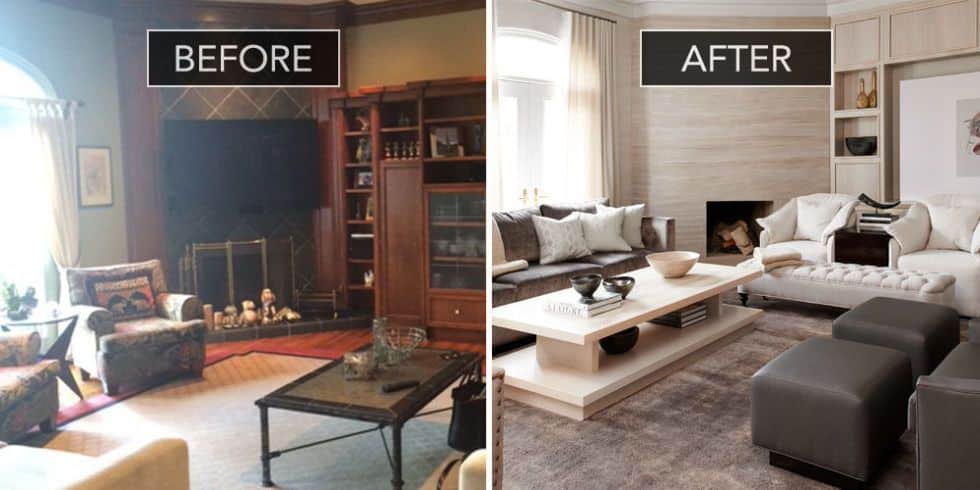

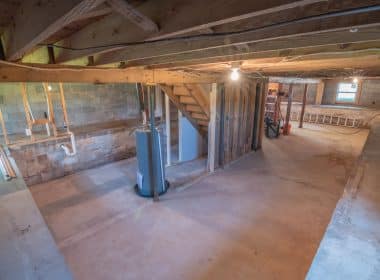



Every renovation starts with a series of early choices that influence how smoothly the rest of the project unfolds. Decisions about glass specifications, structural layouts, mechanical and electrical routing, permitting, and sequencing shape cost, schedule, and coordination long before construction begins. Addressing these topics early helps teams stay aligned and reduces the need for last-minute changes later.
Owners and project managers often balance tight timelines, fixed budgets, and strict inspection requirements. Clear documentation of initial decisions makes that balance easier to manage. Establishing glazing requirements, structural boundaries, equipment locations, power and data zones, and phasing during preliminary planning creates a practical foundation. That foundation supports procurement, coordination, and construction activities with fewer revisions and more predictable outcomes.
Commercial Glass Specifications That Lock the Build
Well-defined commercial glass specifications reduce coordination issues later in construction. Documenting glass type, thickness, safety ratings, finish, and edge treatment allows framing systems and structural loads to align with design intent. Panel dimensions should be confirmed against column lines, slab edges, and mullion layouts. Early coordination of fire ratings and impact requirements avoids inspection conflicts and redesign.
Engaging suppliers and installers during design helps confirm production limits, lead times, and installation constraints. Shop drawings and mock-ups validate feasibility before orders are placed. Contract documents should clearly state anchorage methods, gasket and sealant types, and acceptable tolerances. Requiring formal sign-off on shop drawings and delivery schedules before procurement reduces rework and schedule risk.
Structural System Decisions That Set Project Boundaries
Structural system decisions establish fixed boundaries that affect every discipline. A confirmed column grid defines bay sizes and limits layout changes later in the project. Finalizing beam depths and load paths early aligns ceiling heights, openings, and architectural features with structural capacity. Slab-edge conditions and embedded items should be verified to prevent conflicts with façade, mechanical, and electrical systems.
All structural constraints should be recorded on project drawings for consistent reference. Column locations, beam locations, penetration limits, and slab conditions need to be clearly marked and issued to all trades. Requiring documented structural review and approval of shop drawings before ordering long-lead items reduces change orders. Carrying approved constraints into procurement and sequencing keeps construction progress predictable.
Mechanical and Electrical Routing That Defines Usable Space
Mechanical and electrical routing has a direct impact on how interior spaces function. Early placement of major equipment, panels, and distribution routes prevents late relocations that increase cost and delay schedules. Power and data layouts should reflect actual room use rather than generic templates so outlets, panels, and network drops support daily operations.
Ceiling elevations must account for ducts, piping, cable trays, and lighting while maintaining required headroom. Service access and working clearances for equipment and panels should be confirmed during design and noted on coordination drawings. Including these requirements in procurement and maintenance planning simplifies installation and supports long-term servicing without disruptive modifications.
Permitting and Inspection Planning That Controls Schedule
Early permitting and inspection planning helps protect the overall project schedule. Identifying required permits and approving authorities during schematic design allows timelines to reflect realistic review durations. Mapping inspected elements tied to life-safety systems and concealed work prevents closures before inspections are complete.
Defined assignment of responsibility for addressing review comments keeps responses consistent and traceable. Maintaining a centralized log of permits, approvals, revisions, and inspection sign-offs allows all stakeholders to track status. Requiring documented approval before closing concealed work reduces reinspection risk and supports a clear audit trail throughout construction.
Construction Phasing and Sequencing That Limits Risk
Defined construction phasing and sequencing reduce on-site risk and coordination issues. Establishing work zones, access routes, and occupied areas early allows schedules to reflect building operations and safety requirements. Agreements on after-hours or weekend work help limit disruptions and prevent conflicts during construction.
Material deliveries should be coordinated with available laydown space, lift access, and site logistics. Sequencing decisions should be documented in contracts and project drawings so labor, inspections, and temporary works follow a shared plan. Short-term lookahead schedules keep teams aligned and allow adjustments without major disruption.
Renovation projects run more smoothly when important decisions are addressed early and documented clearly. Confirming glass requirements, structural limits, and mechanical and electrical layouts helps teams avoid unnecessary changes later. Planning ahead for permits, inspections, and construction phases also makes schedules easier to manage. When these details are settled during design, procurement and construction follow a clearer path. Time spent on early coordination often leads to fewer surprises, steadier progress, and better cost control. Approaching renovation planning with this mindset helps owners and project teams move forward with confidence and maintain consistency from initial design through project completion.