


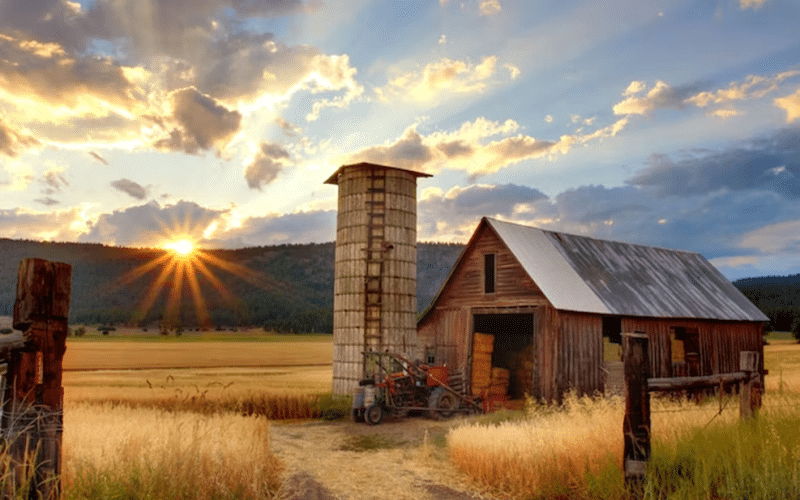
Building a barn or shed on your property is a common practice in Australia. This is because these structures are excellent for storing everything from garden tools to excess furniture. While many locals prefer building metal sheds for durability, some people still prefer the simplicity of a timber tool shed.
If this is the case, you should invest in the pest control Melbourne residents rely on to keep harmful insects out of their homes and outdoor buildings. If you have a garden shed on your property, then this post is a must-read. We share a few essential tips that you can implement to keep termites at bay.
Simple Ways to Keep Termites at Bay
Using timber to create your garden shed is still a very versatile option. However, they, like most other wood structures, have a risk of termite infestations. As anyone who has ever had a termite infestation will tell you, it can be a very costly situation to sort out if left undetected or untreated. Find out what you can do to avoid these critters from moving in.
Build With Termite-Resistant Timber
Irrespective of what you’re going to be storing in your shed, it’s important to understand that it’s not the barn contents that attract termites, but the timber the structure is made of. Termites feed on the cellulose found in wood and plant material.
You can counter this by opting for termite-resistant timber to construct your shed. Fortunately, these options are readily available and affordable. Popular options to consider include the following:
- Machine-graded pine
- Cedar
- Redwood
- Cypress
Another option is to opt for pressure-treated pine wood, which has been chemically treated to resist termites. Composite wood boards also offer an excellent level of termite resistance.
Seal Up Any Holes and Gaps
No matter how old your shed is or what it’s made of, it’s important to regularly check the structure for holes or cracks. Be sure to check the areas between window frames and siding boards. A simple application of sealant will go a long way toward keeping any unwanted critters out.
Repair Any Leaks
Termites, like all other creatures, need water to survive. One of their most common traits is to build their nests near a constant water source. So, if you have a roof leak or a dripping tap, it’s the perfect place for a nest.
Keep in mind that the rainy season can make it easy for water to pool up quite quickly, creating the perfect breeding environment. When you’re checking for cracks and crevices, be sure to check for leaks as well.
Increase Ventilation
In addition to seeking out the cellulose in timber, termites also need moisture. A little-known fact is that untreated wood can contain a lot of moisture, which makes these options very attractive to termites.
You can counter this by only using treated timber or by improving the ventilation in your shed. There are a few easy ways to accomplish this:
- Barn heating systems
- Ceiling fans
- Fitted barn fans
Whenever possible, leave the barn doors open for natural light and fresh air to circulate. This is especially helpful in instances where you have barn doors on both the front and back of the structure, as this will increase airflow.
Maintain Essential Sanitation
Depending on where you live and how big your property is, you may also be using your shed to occasionally house your pets or other animals. If this is the case, the space will need deep cleaning to avoid attracting termites and other pests.
For larger shed spaces where animals live, you may want to consider the following:
- Create efficient drainage in stalls where necessary
- Clean leftover feed from the space and store animal food in airtight containers
- Remove manure and any other waste daily
Trim Surrounding Vegetation
Any vegetation, such as trees and shrubs growing around the shed, provides the perfect feeding ground for an assortment of insects, including termites. This is especially the case since many woody plant species contain the cellulose that termites enjoy so much.
Avoid creating a nesting ground for these pests by having plants trimmed and cleared away from the sides of the shed. You should also avoid storing any wood piles close to the shed, as these will make easy nesting spaces for termites.
Don’t Delay
When it comes to termites, it’s important to act immediately, as it doesn’t take a colony long to entirely ravage an entire structure. Termite damage is costly, and getting rid of the colony can be difficult, depending on the extent of the infestation.
Final Thoughts
Termite damage can often be quite severe if only detected long after these pests have moved into your space. In many instances, the damage can’t be repaired, and structures need to be replaced, leading to significant costs.
If you have timber structures on your property, it’s a good idea to speak to your local pest controller for a termite inspection. This will identify any potential risk factors that you can deal with before significant damage is done. You can also use our tips to help you keep these pesky critters away from your shed.