



Water scarcity is becoming a huge concern in many parts of the world. Drier parts of Australia are also experiencing the issues that go along with exceptionally dry climates. Fortunately, there’s an effective way to counter the effects of water scarcity.
Many locals are enlisting the services of the expert plumber Brisbane residents are turning to for a variety of water-conserving strategies. One of the more effective solutions on offer is the installation of a rainwater harvesting system. Keep reading as we explore this age-old concept and share why it’s still a highly beneficial option.
Understanding the Water Harvesting Concept
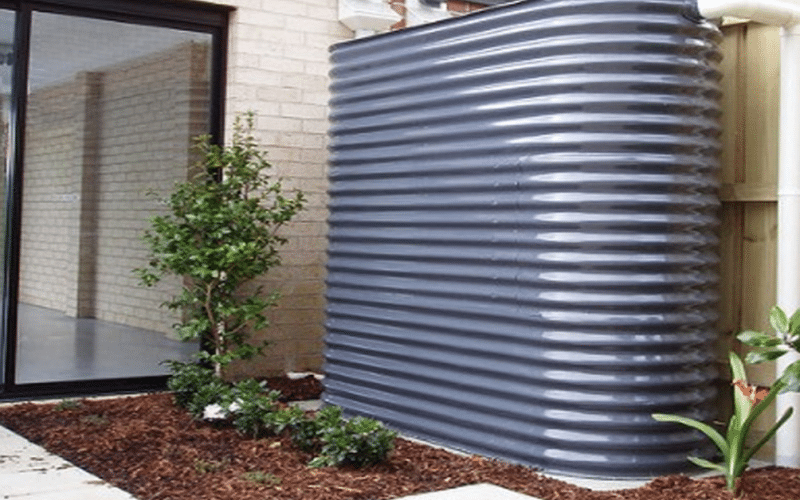
Simply put, the water harvesting concept refers to the process of using large water tanks to “catch” or harvest the rainwater that falls off your home’s roof. To do this, the tanks are placed strategically around your home, garage, or shed.
Gutters and downpipes link the tanks to your existing drainage system, making it possible to guide water off the roof and into the tanks. Taps are then installed at the bottom of the tank, which makes it easy to let water out of the tank when it’s needed. A hose can be connected to the tap, which, in turn, makes watering the garden or crop fields much easier.
Many Reasons Why This Old Practice is Still Trendy
Water harvesting has been around for a long time and can significantly reduce the amount of water needed from your local council. This practice is so popular in Australia that research shows 1 in 4 homes has some version of a water harvesting system installed. Our plumbing team have listed the most influential reasons that highlight why you should consider adding a few tanks to your residential or commercial property.
Saves You Money
The most common reason most people choose to add a water harvesting system to their spaces has to do with saving money. Using less water from the local council means your property will see a huge saving on the monthly water bill. While it’s true that there will be initial installation costs, these will easily be offset by the savings on your water bill.
Harvested rainwater is more commonly used for flushing toilets, washing vehicles and driveways, and watering gardens and crops. Fresh municipal water is restricted for drinking, bathing, and cooking.
Gives You Access to Softer Water
Many areas in Australia also have to deal with hard water, which can be damaging to plumbing and appliances. The term “hard water” refers to water that has excessively high levels of minerals such as chlorine, fluoride, and calcium.
These chemicals don’t break down in the water and instead stick to your pipes. This also causes your water to have a higher pH level, which can be harmful to plants. Since rainwater doesn’t contain these chemicals, there’s no potential damage to your crops.
Minimises the Risk to the Environment
In some water-scarce areas, people opt to use groundwater. Removing large quantities of water from the ground places severe stress on the surrounding environment and leaves less water to be used in nature. Installing a rainwater tank avoids this. You can use minimal council water for cooking and drinking, and then use rainwater for gardens and outdoor functions.
If you have a large garden, it’s a good idea to install more than one rainwater tank. The setup is simple: one tank fills up, and the flow goes into a secondary tank and so on. You can also have your plumber install a purification system in the form of filters and pumps to keep the water fresher for longer.
Makes Your Property More Sustainable
If you want to make your property more sustainable and be more self-sufficient, then installing a rainwater system is a very cost-effective first step. Harvesting rainwater provides you with the freedom to use water when you need it.
A major advantage here is that water systems are relatively simple to install and even easier to operate. Using a rainwater system will also contribute toward reducing your carbon footprint.
Reduces the Harmful Effects of Soil Erosion
When a home doesn’t have a rainwater harvesting system in place, more rainwater falls onto the ground and floods stormwater drains. In excessive rainfall periods, this increase in stormwater runoff can lead to higher levels of soil erosion and, in some instances, localised flooding.
Having a rainwater system in place reduces the amount of water falling from your roof onto the surrounding soil. This can reduce soil erosion and also reduce the likelihood of your garden flooding after the first bout of rain.
Final Thoughts
The benefits of adding a water harvesting system to your home will far outweigh any concerns you may have about the process. Not only is installation affordable, but an extensive range of customisable options means you can easily select a system that fits onto your property and facilitates your water needs. Having access to extra water in the drier periods has never been easier!