


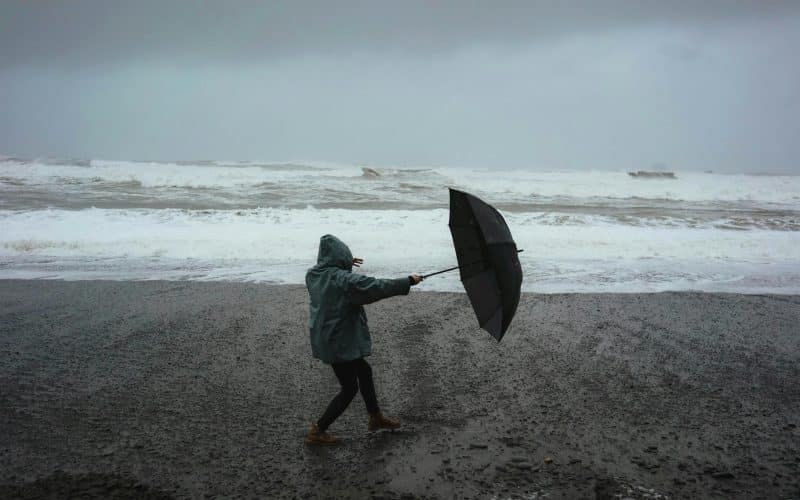
Seattle’s storm season brings strong winds and heavy rainfall that can break limbs, uproot trees, and damage property. Local arborists and city crews report increased emergency calls for fallen branches, blocked roads, and power line hazards. Homeowners can reduce these risks by checking tree structure and drainage before severe weather arrives.
Inspect trunks, roots, and canopy spacing for decay, cracks, or poor anchorage. Prune branches that cause unbalanced weight or contact with structures. Improve soil drainage to prevent root instability. Keep written records, site photos, and arborist contact details to guide future maintenance or insurance claims. Good preparation allows fast post-storm inspection, safer cleanup, and fewer costly surprises when conditions worsen.
Structural Stability Review
Structural checks identify weak or damaged areas before branches or trunks fail during storms. Inspect unions for cracks, decay, or bark inclusions. Use probing tools or resistograph testing, which measures wood density to locate internal rot without cutting. Homeowners can complete visual checks, but complex assessments and corrective work are best handled by a certified Seattle tree service familiar with regional soil and weather conditions.
Balance tree structure through selective pruning that reduces weight on weak limbs and supports healthy growth. After grading or heavy equipment use, review root anchorage for loosened or compacted soil. Install braces or cables where needed to reinforce weak unions or leaning trees. Maintain inspection records and photographs to guide future maintenance decisions.
Canopy Management Strategy
Reducing canopy weight lowers wind resistance and helps trees stay stable in storms. Remove dead, broken, or crossing branches to prevent splitting or breakage. Shorten long leaders by cutting to strong side limbs so weight shifts to healthier growth. Avoid removing more than one-quarter of the live crown in one season to reduce stress.
Thin dense interiors to increase light and air flow, which reduces fungal buildup and limits wind load. Keep three to six feet of space between trees and roofs, gutters, or siding for safety and access. Hire a certified arborist for pruning near utility lines or structural limbs, and schedule regular maintenance to prevent uneven growth or excess canopy weight.
Soil and Drainage Assessment
Healthy, well-aerated soil supports strong roots and reduces the risk of uprooting during storms. Test compaction by pushing a screwdriver or soil probe six to eight inches deep; high resistance indicates compacted soil. Use core aeration or vertical mulching to loosen dense areas. Avoid parking or driving heavy equipment near roots to prevent damage.
Check that ground slopes at least two percent away from the foundation and tree trunks to guide water runoff. Fill low spots that collect water and promote rot. Apply two to four inches of mulch, keeping it a few inches from trunks to prevent decay. Turn off irrigation during long wet periods to maintain stable moisture levels before storms.
Cabling, Bracing, and Anchoring
Cabling and bracing help support weak tree structures and reduce the chance of failure. Inspect all hardware for rust, frayed strands, or loose fittings. Replace parts that show corrosion or movement. Steel cables redirect stress between major limbs, while dynamic cabling systems use flexible materials that allow slight movement under wind pressure.
Braces and threaded rods can stabilize splits or cracks without over-tightening. Use ground anchors or helical screws to support trees with shallow or compromised roots. Label and photograph each installation for records, noting inspection dates and repairs. Schedule evaluations after major storms to confirm hardware stability and alignment. Keeping organized documentation supports faster, safer maintenance and prevents unnoticed wear that leads to failure.
Emergency Readiness and Response
Good preparation reduces damage and recovery time during storms. List tree hazards such as dead limbs, overhangs, or contact with utility lines. Photograph trunks and major unions before storms to record condition. Store contact details for certified arborists and the utility company in both print and digital formats.
After a storm, inspect from a safe distance for hanging branches, split trunks, root lifting, or soil changes. Photograph new damage before cleanup. Mark severe hazards and share documentation with arborists and insurers for quick response. Keep a printed binder and synced digital folder for consistent, accessible records.
Thorough tree preparation before storm season lowers property damage and improves safety. Regular inspections, balanced pruning, strong soil structure, and reliable reinforcement hardware keep trees stable under wind and rain. Documenting maintenance history, photographs, and arborist contacts speeds response and simplifies insurance reporting. Aeration, canopy management, and structural checks improve long-term resilience, while proper cabling or bracing reduces breakage risk. Organized emergency plans make post-storm cleanup faster and safer for crews and homeowners. Working with a certified arborist helps identify weaknesses and apply the right corrective steps. Consistent preparation not only limits storm impact but also promotes healthy, stable trees and stronger overall protection for Seattle properties year-round.