



Resilient properties recover faster not by chance but through systems that react instantly. When storms knock out power or access routes fail, buildings designed with redundancy and clarity keep moving. Each second saved comes from deliberate coordination — zoned power, flexible access, and people who know their next step.
In every sector, from mixed-use towers to warehouses, recovery time is currency. Managers and tenants who treat readiness as routine gain stability under pressure. Small shifts — modular barriers, clear handoffs, or simple drills — turn uncertainty into motion, keeping spaces functional when disruption hits.
Preparing Sites to Withstand and Recover From Disruptions
A flooded loading dock and a blocked gate show why planning matters. Response maps marking key entry points and backup routes keep crews moving when systems fail. Systems built to react — auto-isolating HVAC zones, backup feeds for essential circuits and segmented controls for elevators and doors — shorten recovery windows and limit cross-system impact.
Practical changes put plans into action with prioritized systems lists, clear handoffs and triggers that shift systems into recovery mode. Smart hardware choices — modular panels and on-site spare controllers — accelerate reopening. A compact folding bollard with a spare control module in the service closet cuts reopening time, a step toward smoother recovery.
Designing Multi-Use Areas That Adapt to Change
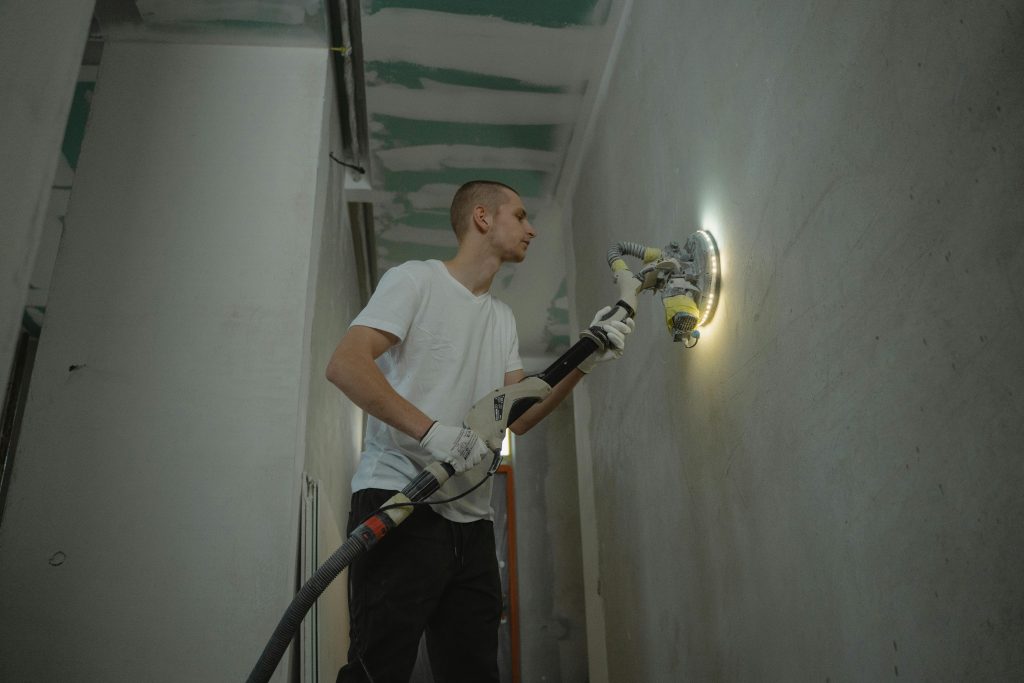
An empty retail floor that converts into a 150-person pop-up within an hour shows how layout and hardware drive agility. Retractable barriers on ceiling tracks, adaptable lighting scenes wired to presets, and movable shelving on heavy-duty casters reduce setup time. Quick-connect power drops near entry zones, recessed AV panels, and dedicated seating storage keep operations tidy and fast, supporting both short-term activations and long-term tenants.
Strong planning links booking, site staff, and maintenance teams. Preprogrammed lighting and sound scenes tied to reservations, labeled storage bays, and durable wall finishes simplify turnover. Keeping a ready kit with spare cables, gaffer tape, and a small LED uplight avoids delays and keeps transitions smooth, reinforcing a property’s ability to adapt quickly under pressure.
Aligning Security Infrastructure With Daily Operations
Security that blends seamlessly into daily routines turns potential conflicts into cooperation. When entry systems, delivery flows, and tenant schedules align, delays vanish and teams act as one. Tying each access point to a clear owner prevents overlap and builds reliability that holds steady under pressure.
Shared assessments close the gap between planning and practice. Teams that log overrides, test firmware timing, and review shared matrices spot hidden dependencies early. Posting concise updates where everyone can see them strengthens trust, turning daily coordination into the backbone of resilience.
Maintaining Equipment Before It Becomes a Problem
Sensors on older pumps give the first clue when bearings wear, showing small vibration spikes, rising motor current or intermittent seal leaks. Tracking those signals against actual runtime reveals parts that wear faster than calendar schedules predict. Tying sensor thresholds to automated work orders cuts guesswork and keeps technicians focused where wear is concentrated.
Schedule tasks by run-hours and cycles instead of month markers; log runtime at asset level and trigger inspections after set thresholds. Store high-failure items where techs can grab them: starters, gasket kits, control fuses and one spare controller per system. Consider stocking three motor starters and one spare control module per five HVAC units, rotated monthly.
Coordinating Teams for Consistent Response and Recovery
After the alarm, five people cluster around a wall map, each holding a role card and a radio. Quick-reference guides pinned near control points cut decision time with clear primary actions, alternates for access points, and contact lines for vendors. Short drills that mirror real confusion keep reflexes sharp, actions confident, and communication seamless when systems strain under pressure.
A shared digital after-action log linking timestamps to specific steps makes habits visible across shifts and departments. Review sessions that focus on one practical improvement at a time prevent checklist fatigue and sustain engagement. A simple log entry template — time, action, outcome, follow-up — keeps coordination smooth and teams aligned, turning quick response into reliable routine.
Preparation built in calm moments, not reactions in crisis, defines lasting reliability. Properties that integrate readiness into everyday operations recover faster and sustain confidence when pressure rises. Every audit, spare part, and short drill turns planning into instinct, reducing hesitation when timing matters most. True strength lives in teams who understand their systems and act before problems surface. When the next disruption arrives, their coordinated response will feel effortless — not extraordinary — the measured rhythm of a property led by foresight, discipline, and collaboration that turns disruption into a short interruption instead of a costly setback.