




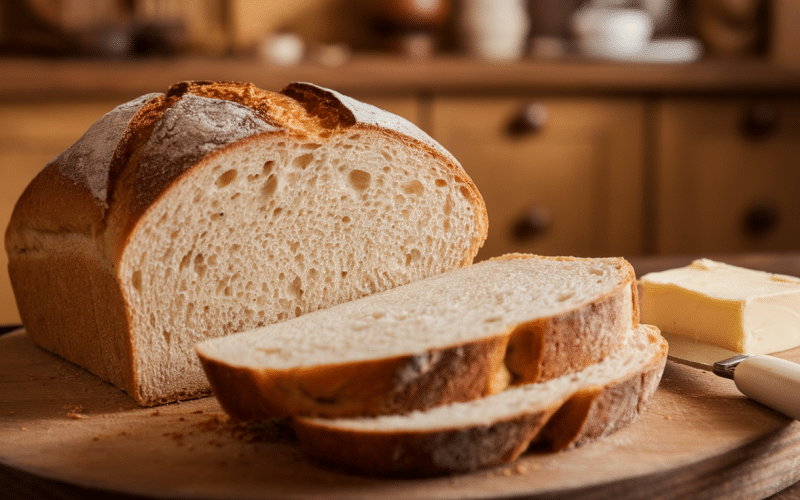
Making soft sourdough sandwich bread at home is a rewarding experience. The bread has a perfect balance of flavor, texture, and softness.
It’s easy to work with and makes the best sandwiches. Unlike regular bread, sourdough has a tangy taste and a light, airy texture.
You can use it for classic sandwiches or quick snacks, adding a special touch to every meal.
Best of all, it’s simple to make, and you’ll enjoy the process of creating fresh, warm bread right in your kitchen.
The results are well worth the effort, bringing the smell of homemade bread to your home.
Let us get started!
What Makes Sourdough Bread Special?
Sourdough bread is special because of its unique tangy flavor, created by the wild yeast and bacteria in the dough.
This natural fermentation process gives sourdough a taste that regular bread can’t match.
Another reason people love it is its texture. It’s soft and airy, perfect for sandwiches, but still sturdy enough to hold any filling.
Due to its fermentation process, sourdough is also more digestible than many other breads. It has a lower glycemic index, which can help manage blood sugar levels.
These qualities make sourdough not only delicious but also a healthier option.
Ingredients for Soft Sourdough Sandwich Bread
Key Ingredients
- Sourdough starter: You can either use a pre-made starter or make your own.
- All-purpose flour or bread flour: For a lighter texture, bread flour works best.
- Butter or oil: Adds softness and richness to the dough.
- Salt and water: Essential for flavor and hydration.
Ingredient Substitutes
- Gluten-free flour: If you’re avoiding gluten, you can substitute with a gluten-free flour blend.
- Plant-based butter: For a dairy-free option, use plant-based butter or olive oil instead.
Recipe for Soft Sourdough Sandwich Bread
Let’s go through the process of making soft sourdough sandwich bread from start to finish.
Follow these easy steps to create a delicious loaf that’s perfect for any sandwich or snack.
Step 1: Preparing the Sourdough Starter
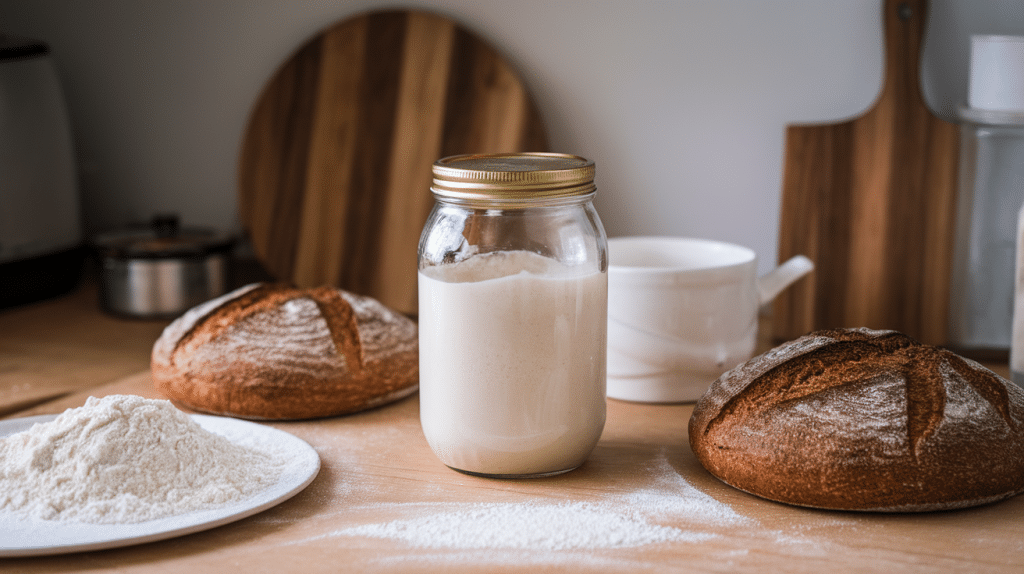
- Mix equal parts flour and water in a jar and let it sit at room temperature for a few days. Feed it daily with fresh flour and water.
- To test if your starter is ready, perform the “float test” by placing a spoonful of the starter in water. It should float if it’s active.
Step 2: Mixing the Dough

- In a large bowl, combine the sourdough starter, flour, water, and salt. Stir until the ingredients form a rough dough.
- Add more water a little at a time until the dough is moist but not too sticky.
Step 3: Kneading the Dough

- Knead the dough on a lightly floured surface for 8-10 minutes until it’s smooth and elastic.
- The dough should be tacky but not sticky. Avoid adding too much flour while kneading.
Step 4: First Rise (Bulk Fermentation)
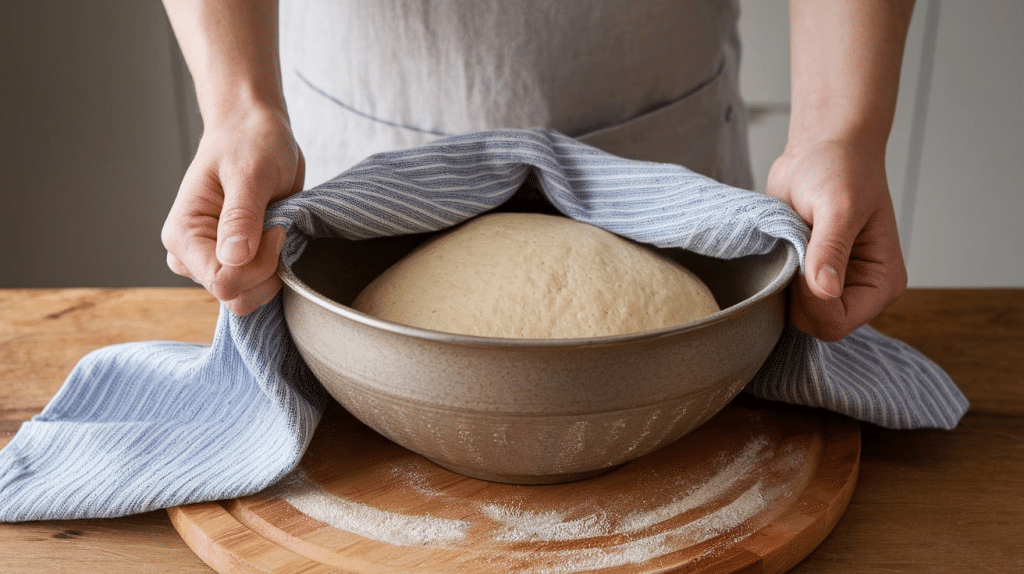
- Cover the dough with a damp cloth and let it rise at room temperature for 4-6 hours. The dough should double in size.
- If your kitchen is cold, place the dough in a warm spot to speed up the rise.
Step 5: Shaping the Dough into a Loaf
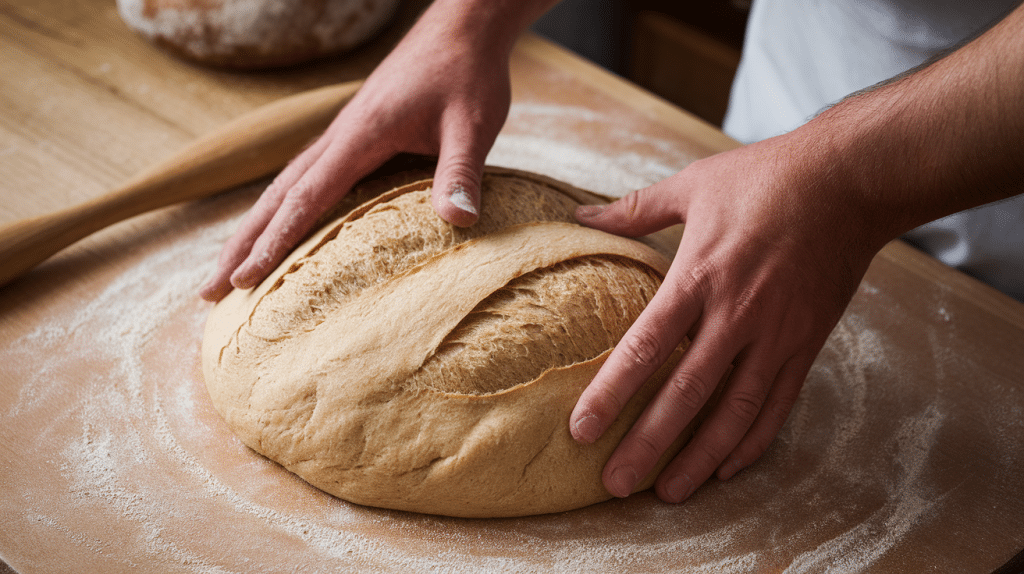
- Punch the dough down to release air bubbles. Then, shape it into a loaf by folding and stretching the dough.
- Create a tight, smooth surface to ensure an even rise during the second proofing.
Step 6: Second Rise (Final Proofing)
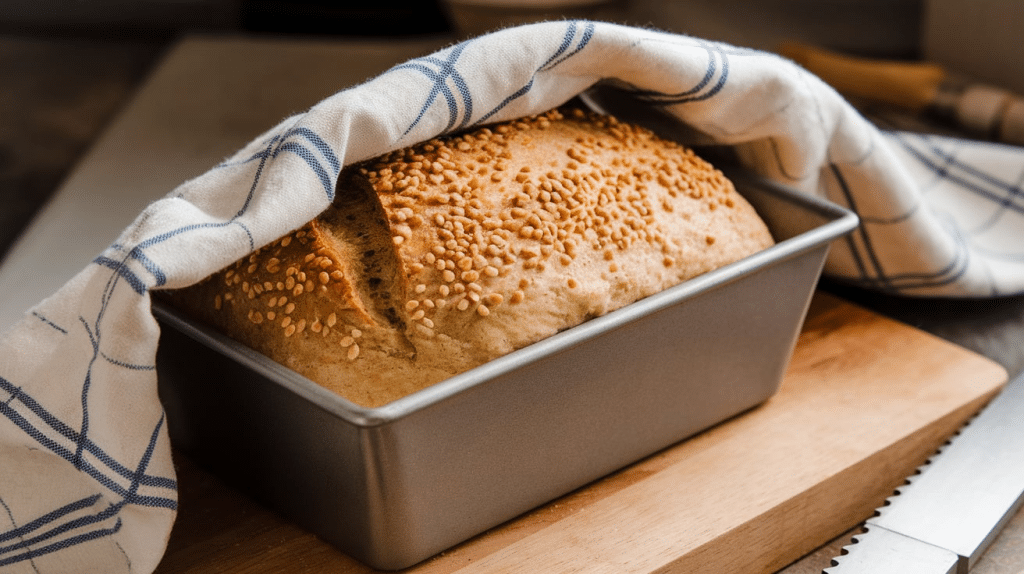
- Place the shaped dough in a loaf pan. Cover with a damp cloth and let it rise for 2-3 hours.
- The dough should rise just above the edge of the pan, indicating it’s ready for baking.
Step 7: Baking the Bread
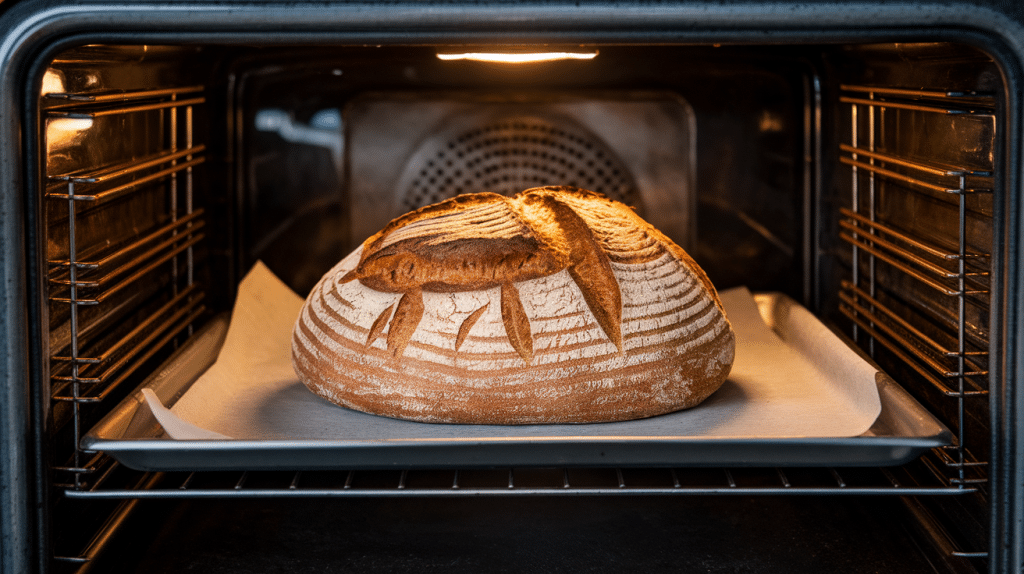
- Preheat the oven to 375°F (190°C). Place the loaf in the oven and bake for 30-35 minutes.
- The bread is done when it sounds hollow when tapped on the bottom.
Step 8: Cooling the Bread

- Once baked, remove the bread from the oven and place it on a wire rack to cool completely.
- Allow the bread to cool before slicing to set the texture and improve the flavor.
Tips for Soft and Fluffy Sourdough Bread
Using butter or milk in the dough helps make the bread softer and gives it a rich, tender crumb.
Letting the dough rise slowly in the fridge overnight can improve the flavor. This method allows the yeast to work more slowly and adds depth to the taste.
It is important to let the dough rest during each rise. Resting helps the dough develop a better texture and improves the overall flavor.
A healthy, active starter is key to successful sourdough bread. If your bread is too dense or doesn’t rise well, your starter may need more time or feeding.
Customizing Your Sourdough Sandwich Bread
You can easily change up the flavor and texture of your sourdough bread by adding a few simple ingredients. Here are some easy ways to make your bread unique:
- Add seeds or grains: For extra texture and flavor, add seeds like flax, sunflower, or sesame to the dough. Fold them into the dough before shaping the loaf.
- Try whole wheat flour: If you prefer a heartier bread, you can substitute part of the all-purpose flour with whole wheat flour. This will add a slightly nutty flavor.
- Adjust hydration levels: If you like a lighter, airier loaf, try adding a bit more water to the dough. For a denser loaf, reduce the water slightly.
- Add herbs or spices: Mix in dried herbs like rosemary, thyme, or garlic powder for a unique twist on the classic sourdough flavor.
Troubleshooting Baking Challenges
Dense or Tough Bread
Dense or tough bread can happen if the dough isn’t kneaded enough or the fermentation time is too short.
Knead the dough thoroughly for 8-10 minutes. This develops the gluten and creates a smooth, elastic dough.
Additionally, ensure the dough has enough time to rise properly. If the first rise is too short, it can result in a denser loaf.
Allow the dough to double in size during the bulk fermentation for the best texture.
Sticky Dough
If your dough is too sticky to handle, it’s usually because of too much moisture or not enough flour.
A slightly sticky dough is normal for sourdough, but if it’s hard to work with, add a little more flour, just enough to make it easier to manage.
Be careful not to add too much flour, as it can lead to a dry loaf. The dough should remain slightly tacky but still easy to handle.
Dough Not Rising
If your dough isn’t rising well, your starter might not be active enough. Make sure your starter is bubbly and strong before using it.
If you haven’t fed it recently, it might need more time or additional feedings.
Additionally, temperature plays a big role in how the dough rises. Ensure the dough is in a warm environment.
If your kitchen is cold, consider placing the dough in a warmer spot or using a proofing box to encourage proper fermentation.
Advanced Techniques for Baking Sourdough
If you’re ready to improve the texture and flavor of your sourdough bread, try these advanced techniques.
Using Higher Hydration Dough for a More Open Crumb
- Increase the water content by 5-10% from the original recipe.
- The dough will be stickier and harder to handle, so use a wet dough scraper to shape it.
- This creates a lighter, airier loaf with a more open crumb structure.
Adding Flavor Twists
- Mix in dried herbs like rosemary or thyme for a savory flavor.
- Add garlic powder for an extra boost of flavor.
- For a sweeter twist, try mixing in cinnamon or honey.
- Fold these ingredients gently into the dough to avoid overworking it.
Easy Recipes and Dishes to Try
Once you’ve made your soft sourdough bread, you can use it for various tasty dishes.
Here are a few ideas to enjoy your homemade bread.
Classic Sandwiches

You can make a classic turkey, cheese, and avocado sandwich with your fresh sourdough bread.
For a grilled cheese, add tomatoes or caramelized onions for extra flavor.
The soft yet sturdy texture of the sourdough makes it perfect for any sandwich filling.
Toast Ideas

For a simple breakfast or snack, try avocado toast with a sprinkle of red pepper flakes and a poached egg on top.
Alternatively, you can make garlic butter toast with herbs and cheese for a savory treat. The tangy sourdough flavor adds a nice touch to both options.
Sourdough French Toast

Sourdough makes for a delicious French toast when sliced thick.
Simply dip the bread in a mixture of eggs, milk, and cinnamon, then cook until golden. Serve with syrup or fresh fruit for a warm, comforting meal.
Sourdough Croutons

To make crispy croutons, cut your sourdough into cubes and toast them in the oven.
These croutons add a crunchy texture to salads or soups and are a great way to use up leftover bread.
Storing and Freezing Your Bread
Once you’ve made your sourdough bread, you’ll want to store it properly to keep it fresh.
Here are some easy ways to store and freeze your bread:
Best Storing Methods
To keep your sourdough bread fresh, store it in a paper bag or a cloth bread bag. This helps maintain the bread’s crust while keeping the inside soft.
Keep it at room temperature for up to 2-3 days. If you have a larger loaf, you can slice it before storing it for easier use.
Freezing Sourdough Bread
If you need to store your bread for a longer time, slice it and freeze it in a plastic bag. Freezing the bread helps maintain its freshness for up to 3 months.
To reheat, toast the slices or warm them in the oven for a few minutes. This will bring back the soft texture and fresh taste.
Conclusion
With the right ingredients, techniques, and a little patience, you can create a loaf that is perfect for sandwiches, toast, and more.
You can enjoy it fresh or experiment with different flavors, and homemade sourdough bread adds a special touch to any meal. Don’t be afraid to try new variations and make the recipe your own.
As you practice, baking sourdough will become easier, and the results are always worth it. Enjoy the process and the wonderful smell of freshly baked bread in your kitchen!
If you’re looking for more delicious recipes or baking tips, be sure to check out our other blogs for similar content and ideas.
Happy baking!