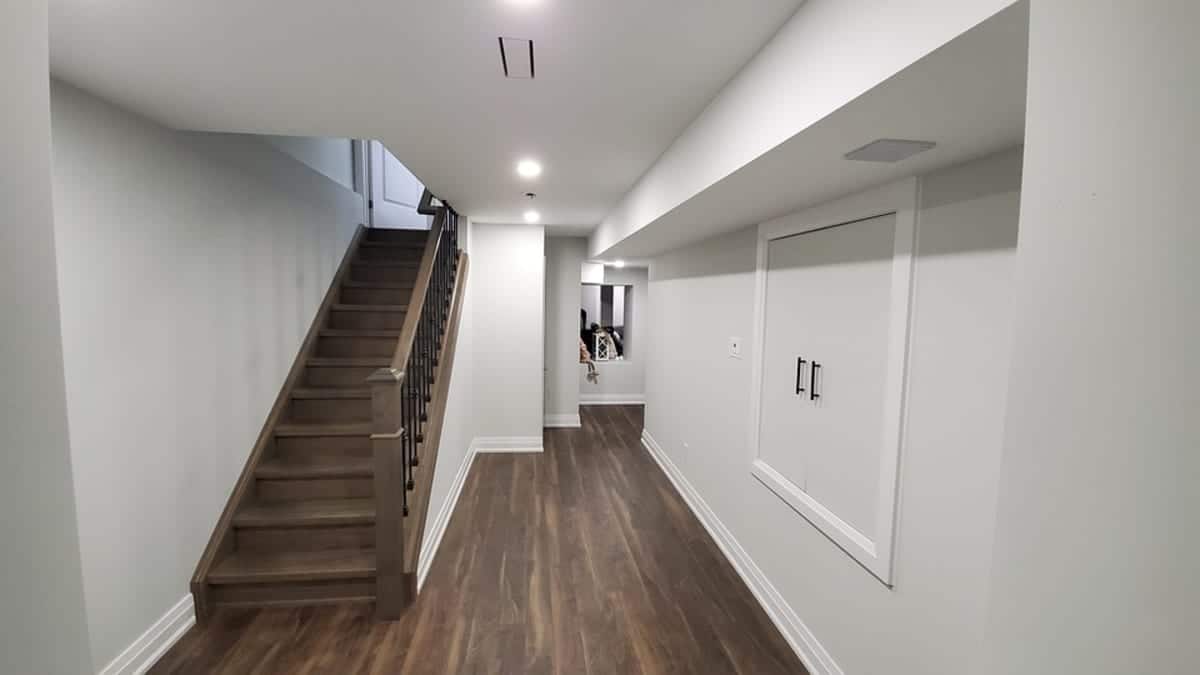



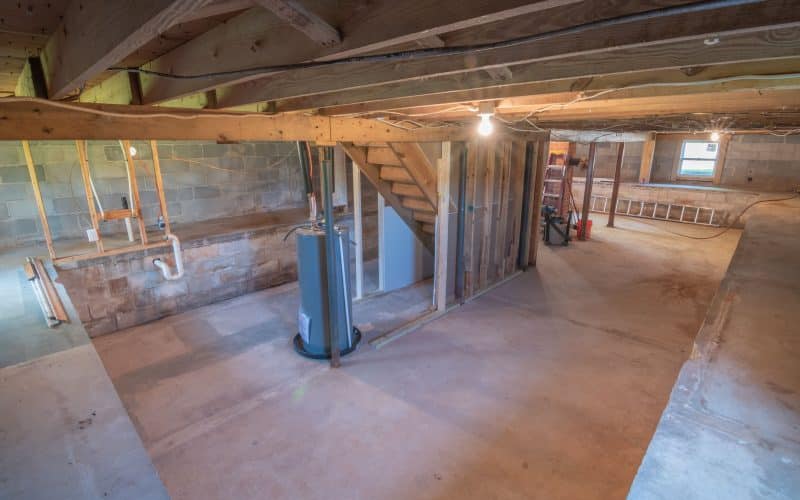
Finishing a basement can add valuable living space to a home. An unfinished area can become a family room, home office, gym, guest room, or entertainment space without changing the footprint of the house.
But before choosing flooring, paint colors, lighting, or furniture, homeowners should make sure the basement itself is ready for renovation.
Moisture problems that seem minor in an unfinished basement can become much more expensive once walls, flooring, insulation, and furniture are installed. Water that was once easy to spot on a concrete floor may eventually become hidden behind drywall or underneath finished flooring.
Taking care of moisture issues before remodeling helps protect both the renovation and the home itself.
Look for Signs of Water Before Starting
A basement does not have to experience obvious flooding to have a moisture problem.
Some of the earliest warning signs are relatively easy to overlook, including:
- Musty or damp odors
- Water stains on concrete walls
- Peeling or bubbling paint
- White, powdery deposits on masonry
- Damp areas along the edge of the floor
- Rust around metal fixtures
- Cracks in foundation walls
- Higher-than-normal humidity
Pay particular attention to the basement after heavy rain. A space that appears completely dry during normal weather may tell a very different story after several hours of rainfall.
If possible, inspect the basement several times before committing to a renovation. Understanding when and where moisture appears can make identifying its source considerably easier.
Don’t Assume Paint Will Solve the Problem
One of the most tempting solutions for an older basement is simply covering concrete or masonry walls with waterproof paint before finishing them.
Coatings can have a place in basement maintenance, but paint alone cannot correct problems such as groundwater pressure, poor drainage, leaking foundation cracks, or recurring water entering where the wall meets the floor.
Covering a moisture problem can actually make remodeling more difficult because the symptoms become harder to see once insulation and drywall are installed.
The goal before finishing a basement should be to determine why moisture is present rather than simply making the walls look dry.
Check Foundation Cracks Carefully
Small cracks are common in concrete foundations, and not every crack indicates a serious structural problem. However, cracks should still be evaluated before they disappear behind a finished wall.
Pay attention to cracks that:
- Allow water to enter
- Appear to be widening
- Run horizontally across a foundation wall
- Are accompanied by bowing or movement
- Reappear after being repaired
Even a relatively small crack can become an inconvenient leak once a basement has been remodeled.
This is an especially important consideration when building finished walls several inches in front of the foundation. Once construction is complete, accessing the original concrete may require removing drywall, insulation, trim, or built-in features.
Understand Where the Water Is Coming From
Basement moisture can have several different causes, and the correct solution depends on the source.
Water may enter through foundation cracks, around basement windows, through openings where utilities enter the home, or along the joint between the basement floor and foundation wall.
Groundwater can also create pressure around a foundation during periods of heavy rain.
Other problems originate outside the basement itself. Overflowing gutters, short downspouts, poor yard grading, and areas where water collects next to the foundation can all increase the amount of water surrounding the home.
That is why basement waterproofing should begin with diagnosis rather than automatically installing the same solution in every house.
Inspect the Sump Pump and Drainage System
If a basement already has a sump pump, remodeling is a good opportunity to make sure the system is functioning properly.
Check whether the pump activates correctly and whether water is being discharged far enough away from the home. Homeowners should also consider how the basement would be protected during a power outage, particularly in areas where severe storms frequently cause electrical interruptions.
Depending on the source of the water, a basement may also require an interior drainage system that directs groundwater toward the sump pump before it reaches the finished portion of the room.
For Long Island homeowners who notice recurring basement moisture, foundation cracks, or water entering after storms, a professional evaluation from a local company such as ACM Basement Waterproofing can help determine where the water is coming from and which waterproofing approach makes sense for the property.
The important part is completing this work before installing finished walls and floors.
Control Humidity as Well as Visible Water
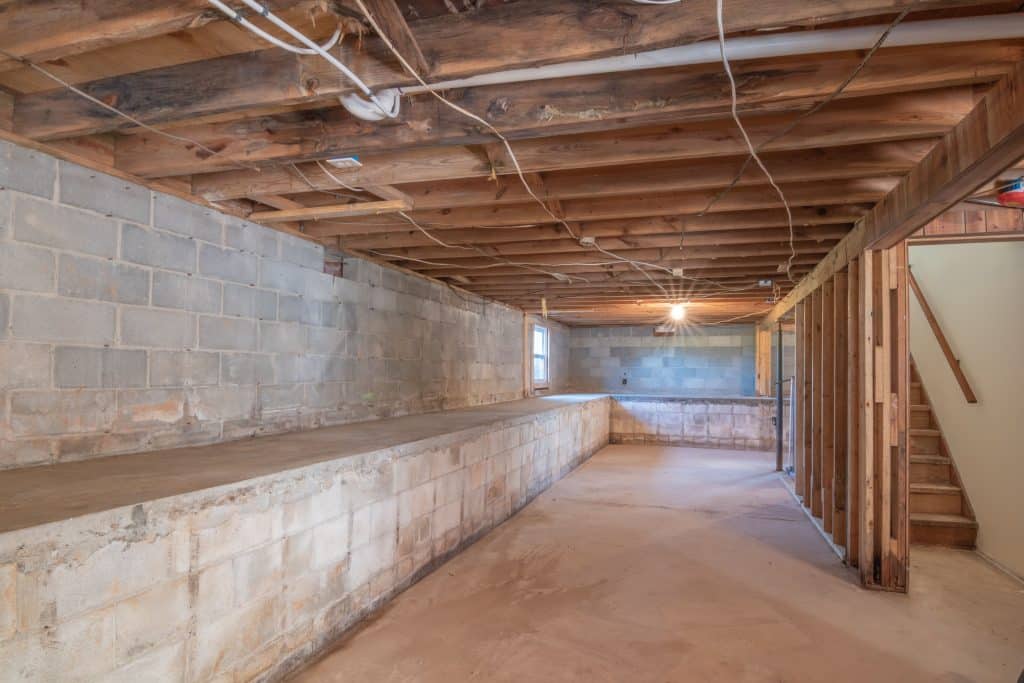
Waterproofing and humidity control are related, but they are not exactly the same problem.
A basement can remain free of standing water while still feeling damp because of elevated humidity.
Excess humidity can create musty odors and condensation and may contribute to mold growth on susceptible materials. It can also make an otherwise attractive finished basement feel uncomfortable.
A dehumidifier can help control normal basement humidity, particularly during warmer months. However, continually relying on a dehumidifier to compensate for significant water intrusion is different from managing ordinary indoor humidity.
If the machine seems to run constantly or the basement remains damp despite using one, further investigation may be necessary.
Think About Flooring Before the Renovation Begins
Basement flooring sits directly above concrete, so material selection matters.
Carpet can make a basement feel warmer and more comfortable, but it may be difficult to salvage after a water problem. Certain wood products can also react poorly to excess moisture.
Homeowners renovating below-grade spaces often choose materials designed to tolerate basement conditions, such as luxury vinyl plank, tile, or other moisture-resistant flooring systems.
That does not mean waterproofing can be skipped. Moisture-resistant finishes should be considered an additional layer of protection rather than a substitute for solving an existing water problem.
Don’t Hide Problems Behind New Walls
Finishing a basement can dramatically change how the space looks, which is exactly why unresolved problems need to be addressed first.
Drywall can conceal foundation cracks. Flooring can hide seepage. Baseboards can cover the area where walls and floors meet. Furniture can make previously accessible areas difficult to inspect.
If there are questionable areas in the foundation, take photographs before construction begins and make sure any necessary repairs are completed while the concrete is still easily accessible.
It is much easier to repair an exposed foundation wall than to tear apart a newly finished room later.
Protect the Investment Before Decorating
Basement remodeling can be one of the most rewarding home improvement projects because it transforms space that might otherwise go unused.
The exciting part is choosing the layout, flooring, furniture, colors, and finishing touches. But those decisions should come after confirming that the underlying space is dry and protected.
Before starting construction, inspect the foundation, watch the basement during heavy rain, check drainage and sump equipment, evaluate humidity, and correct recurring water problems.
A beautiful basement starts with what you cannot see.
Taking care of the structure and moisture management first provides a much stronger foundation for everything you plan to build on top of it.