




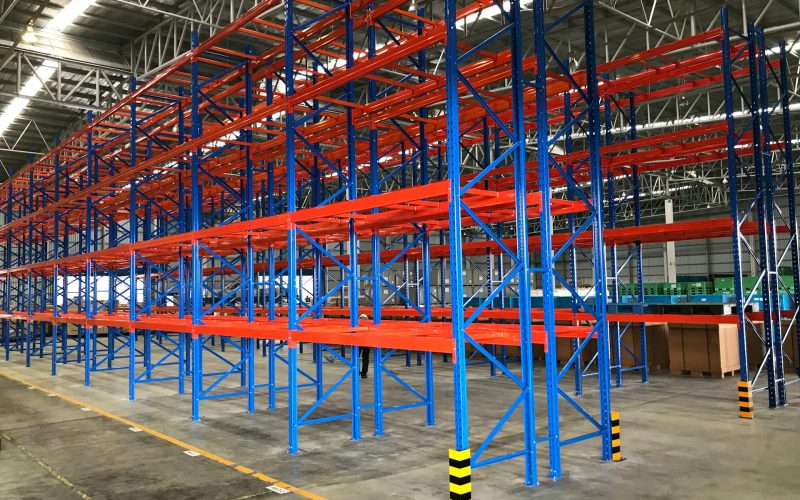
Efficient storage solutions are vital for any business dealing with large quantities of goods. When optimizing warehouse space, industrial pallet racks stand out as one of the most effective methods for storing products. Whether you’re running a distribution center or manufacturing facility, the right pallet rack layout can make a significant difference in maximizing storage space, improving workflow, and enhancing overall operational efficiency. This article will explore the key considerations for designing an efficient layout with industrial pallet racks, including the benefits of used pallet racking.
Understanding the Importance of an Efficient Layout
A well-designed layout not only improves storage capacity but also enhances operational speed and safety. For businesses with limited space, efficient use of every square foot becomes even more important. The right pallet rack layout helps to streamline inventory management, reduce handling time, and minimize product damage, ultimately leading to cost savings and better customer service.
What Are Industrial Pallet Racks?
Industrial pallet racks are heavy-duty shelving systems used to store materials, products, or goods in a vertical arrangement. They come in various styles, including selective racking, drive-in racking, and push-back racking, each serving different needs based on your specific storage requirements.
- Types of Industrial Pallet Racks
Selective pallet racks are the most common type, offering direct access to each pallet. Drive-in racks, on the other hand, are ideal for high-density storage, allowing pallets to be stored on both sides of the aisle, but with a more limited access. Push-back racking allows for more efficient use of space by storing several pallets in a single lane, where items are pushed back as new pallets are added. - The Role of Pallet Racks in Warehouse Efficiency
By elevating products off the floor, industrial pallet racks free up valuable floor space, improve access to inventory, and enhance the organization of the warehouse. The right layout can result in faster inventory turnover, reduce bottlenecks, and optimize picking routes, ultimately boosting overall productivity.
Factors to Consider When Designing a Layout
- Available Space and Storage Needs
The available space in your warehouse plays a crucial role in deciding which racking system to implement. Understanding your inventory’s dimensions and weight is essential. For example, if you store bulky or oversized items, you may need larger spaces between racks. Determining the volume of inventory also helps decide whether to go for a high-density layout or an easily accessible one. - Load Capacity and Durability of Racks
The load capacity of your racking system is one of the most important factors. Pallet racks must be designed to handle the weight of your stored goods without compromising safety. Choosing racks made from high-quality materials ensures that they remain sturdy and durable over time, reducing the risk of accidents or damage to products. - Accessibility and Safety
Safety must always be a priority. The racking system should allow for clear aisles that provide easy access to all items while minimizing the risk of accidents. The design must also adhere to safety regulations, such as weight limits and clearance heights, ensuring that your staff can move freely without obstruction.
Maximizing Storage with Used Pallet Racking
Used pallet racking is an excellent option for companies looking to save on costs while still benefiting from a sturdy storage solution. It is an eco-friendly option that not only reduces upfront costs but also promotes sustainability. However, when purchasing used pallet racking, ensure that the racks are still in excellent condition and have been properly inspected. With proper maintenance, used racks can last for many years, providing reliable storage space.
Designing for Easy Access and Efficient Workflow
- Optimizing Aisle Width and Rack Heights
Proper aisle width is crucial for accessibility. Aisles that are too narrow can hinder forklift movement, while those that are too wide can waste valuable space. Rack heights should also be considered to ensure that products are stored efficiently and can be easily accessed. A balanced design with sufficient space between racks ensures that both storage density and accessibility are maximized. - Creating an Organized Picking System
An effective picking system reduces time spent on retrieving items. Grouping products by type, size, or frequency of use can make a significant difference in operational efficiency. Consider implementing a batch picking method or using zone picking to streamline the picking process, allowing for faster retrieval and reducing the time spent traveling between aisles.
Safety Considerations When Using Industrial Pallet Racks
Safety is one of the primary concerns when designing any racking layout. It’s essential to ensure that your pallet racking system is installed properly, with the appropriate bracing, anchoring, and reinforcement. Regular inspections should be carried out to check for any wear or damage to the racks. Ensuring that employees are trained to handle the equipment correctly also minimizes the risk of accidents and injuries.
Maintenance and Upkeep of Pallet Racks
Proper maintenance is key to extending the lifespan of your industrial pallet racks. Regularly inspect racks for any structural issues, including loose bolts or bent supports. The environment where your racks are located can also impact their longevity. Moisture, heavy use, and contact with harsh chemicals can weaken materials over time. By keeping your racks in good condition, you ensure that they continue to serve their purpose effectively.
How to Choose the Right Industrial Pallet Racks for Your Warehouse
Choosing the right pallet racking system for your warehouse requires a careful evaluation of your storage needs, available space, and safety requirements. Work with a trusted supplier who can guide you through the selection process, offering solutions that meet your specific requirements. Consider factors such as load capacity, durability, ease of installation, and how well the racking system integrates with your existing workflow.
Conclusion
Designing an efficient layout with industrial pallet racks involves balancing space, safety, accessibility, and cost-effectiveness. Whether you opt for used pallet racking or new systems, understanding your needs and working with a knowledgeable supplier is key to creating a functional and productive warehouse. With the right pallet racks in place, you can maximize your storage space, improve workflow efficiency, and ensure long-term safety and durability for your warehouse operations.